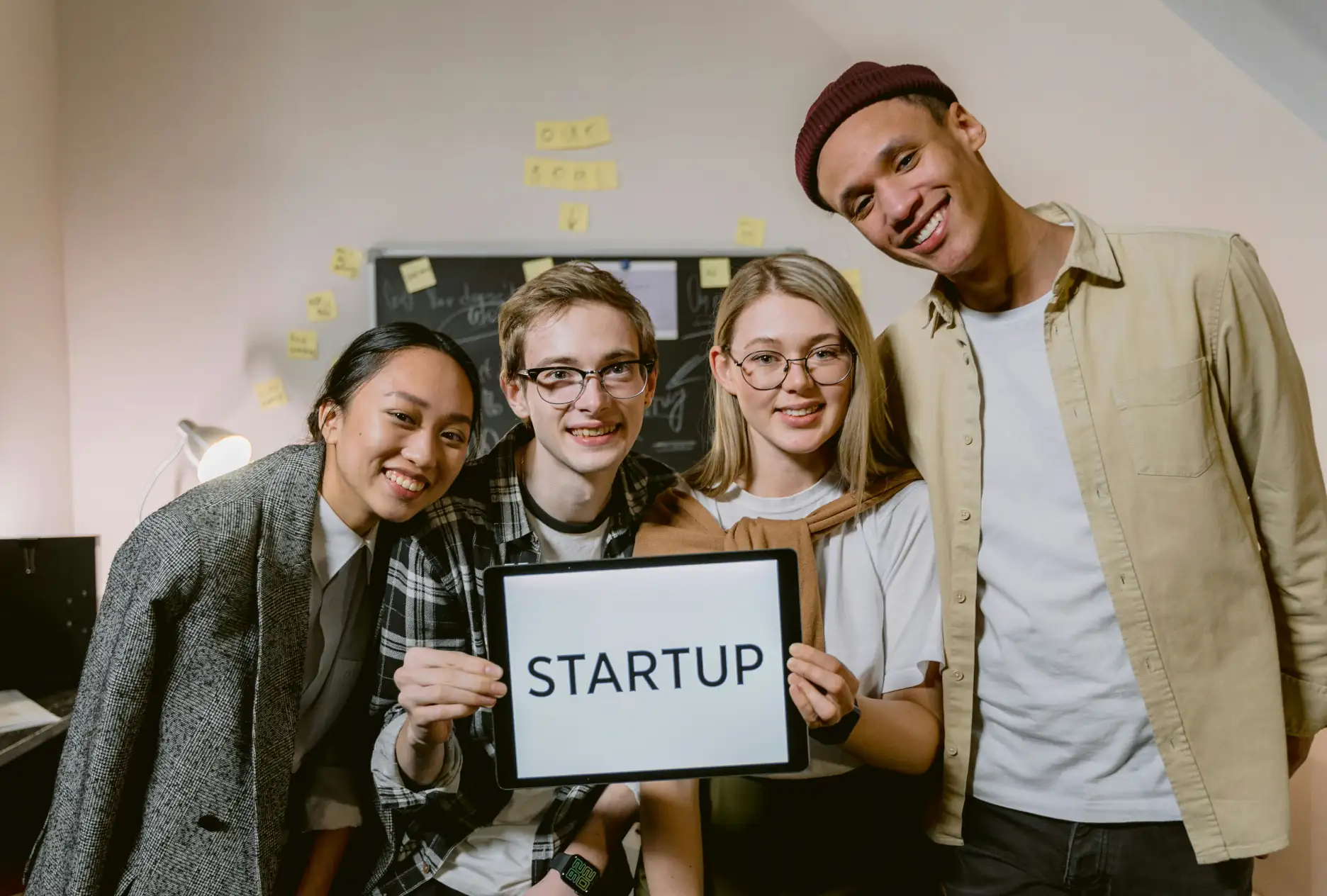
For decades, the entrepreneurial dream looked the same: secure venture capital, grow at all costs, chase a sky-high valuation, and exit via acquisition or IPO. But something fundamental has shifted. Today’s most exciting entrepreneurs aren’t obsessing over term sheets—they’re building lean, cash-flow-positive businesses that serve niche communities, blend content with commerce, and prioritize real impact over hypothetical valuations.
We’re witnessing the evolution of entrepreneurship itself: from a VC-driven, one-company-at-a-time race to a diversified, audience-powered ecosystem of micropreneurs, solopreneurs, creatorpreneurs, and multipreneurs.
The Old Playbook (and Why It’s Fading)
The traditional startup model was built for a different era:
- VC funding as the ultimate goal — success meant raising Series A, B, C
- “Growth at all costs” — burning cash to capture market share
- High valuation = success — the higher the valuation, the more “successful” the founder
- Exit obsession — the business existed to be sold, not to last
- Mass-market appeal — chasing the biggest possible audience
This model produced incredible companies, but it also created fragility. When funding dried up, entire business models collapsed. Founders burned out chasing metrics that didn’t translate to real sustainability. And most startups never got the VC money they needed in the first place.
Now, with a VC slowdown and a cultural shift toward autonomy, entrepreneurs are asking different questions: How quickly can I generate revenue? How deeply can I serve a specific audience? How much freedom can I build into my business?
The Four New Archetypes of Entrepreneurship
Micropreneurs: Small by Design, Global by Reach
Micropreneurs run microbusinesses with five to ten employees or fewer, often operating with tiny teams or as solo founders. They focus on niche markets where they can deliver personalized service and move with agility that larger competitors can’t match.
What makes micropreneurs powerful isn’t their size—it’s their sustainability. They prioritize profitability over growth, using low overhead and digital tools to compete globally. Their success metric isn’t unicorn status; it’s sustainable profitability and the freedom to make their own decisions.
The rise of the micropreneur underscores a broader shift toward individualism and independence in business.
Solopreneurs: One Person, Global Business
Solopreneurs operate solo businesses leveraging technology—AI, no-code tools, automation—to do the work that once required entire teams. In 2026, there are 29.8 million solopreneurs in the United States, contributing $1.7 trillion to the economy.
The solopreneur movement is accelerating. 47% of solopreneurs say AI makes them more likely to start a business, and entrepreneurship is now growing 2.5 times faster in rural areas than in major cities. With AI microapps, content automation, and no-code platforms, one person can build a global brand without hiring anyone.
Solopreneurs prove that you don’t need a team to build something meaningful—you need leverage, audience, and a clear value proposition.
Creatorpreneurs: Where Audience Meets Commerce
Creatorpreneurs are entrepreneurs who co-found businesses with creators, blending art and commerce to turn content into products, communities, and brands. They start with a built-in advantage: their audience.
Unlike traditional founders who spend years building distribution from scratch, creatorpreneurs launch with thousands of followers who already trust them. They use their personal brand as a marketing engine, creating content that doesn’t just advertise but is the product.
The creatorpreneur model thrives on personal branding, storytelling, and community engagement. Platforms like YouTube, TikTok, Substack, and Patreon have turned creators into distribution channels, making it easier than ever to monetize a following through products, courses, memberships, and sponsorships.
As one industry observer put it: “VC isn’t always necessary. Entrepreneurship now means focusing on sustainability and creativity”.
Multipreneurs: The Portfolio Entrepreneur
Multipreneurs are entrepreneurs who launch multiple companies simultaneously or sequentially, building a portfolio of ventures rather than betting everything on one startup. They operate like internal venture studios, creating diverse income streams and spreading risk across multiple opportunities.
Instead of pouring all their energy into one “home run” business, multipreneurs build multiple small wins—each profitable, each sustainable, each contributing to a larger ecosystem. This approach mirrors how angel investors think, but the multipreneur is investing their own time and energy across ventures they control.
The multipreneur archetype reflects a deeper truth: entrepreneurship doesn’t have to be a single all-or-nothing gamble. You can build many businesses, learn from each, and compound your success over time.
Core Principles of the New Entrepreneurship Model
The shift from traditional to modern entrepreneurship isn’t just about tactics—it’s about values. Here are the core principles defining the new era:
Cash Flow Over Valuation
In the new model, revenue matters more than valuation. A business that generates $500,000 in profit with no debt is more valuable than a “unicorn” burning $2 million a month with no path to profitability. Founders are flocking to bootstrapping, pre-sales, and community monetization because they want control and sustainability, not dilution and pressure.
Impact Over Exit
Many modern entrepreneurs are building businesses they intend to keep, not sell. They’re measuring success by lifestyle freedom, community impact, and creative fulfillment—not by acquisition offers. This shift reflects a deeper cultural movement: people want businesses that serve their values, not just their bank accounts.
Niche Over Mass Market
Instead of trying to appeal to everyone, new entrepreneurs are going deeply specific. They’re building for niche communities with intense, underserved needs. These narrow focus areas become competitive moats: you can’t compete on price with Amazon, but you can compete on specificity, community, and trust.
Winning Strategies in the New Era
1. Founder-Led Brands: The Person Is the Product
In the creator economy, the founder’s personal brand becomes the brand’s trust engine. People don’t just buy products—they buy into the founder’s story, values, and vision.
Founder-led marketing works because:
- The founder is the most authentic spokesperson
- Personal storytelling creates emotional connection
- The founder’s audience becomes the initial customer base
- Social media makes the founder accessible and relatable
However, founder-led brands face a challenge: they can hit a growth ceiling around $10M+ unless they “engineer diversity” by adding more faces, community stories, and diverse creators to the brand narrative. The goal is to scale the story, not just the founder.
2. Niche Communities as Competitive Moats
Building a tight-knit community around a specific interest, identity, or problem is one of the most powerful strategies in modern entrepreneurship. Communities provide:
- Built-in customers who trust you before you launch
- Word-of-mouth distribution that costs nothing
- Feedback loops for iterating products quickly
- Higher loyalty and lifetime value than transactional customers
Niche communities are defensible. You can’t copy a community overnight. And as AI makes content and products easier to replicate, human connection becomes the ultimate competitive advantage.
3. Turning Brands Into Media Companies
Every successful brand today operates like a media company. They publish content consistently—newsletters, podcasts, YouTube videos, TikToks—using content to drive distribution, not just marketing.
Why this works:
- Content is the lowest-cost customer acquisition channel
- Building an audience asset independent of platforms
- Content creates top-of-funnel awareness that compounds over time
- Media builds trust and authority before the first sale
Creatorpreneurs especially excel here, blending content + commerce so thoroughly that the product feels like a natural extension of the content. A newsletter becomes a course. A podcast becomes a community. A YouTube channel becomes a product line.
The media-first approach flips traditional marketing on its head: instead of paying for ads to reach people, you create value first and monetize the audience later.
Why This Shift Is Happening Now
Several converging forces are making this new model possible:
AI is the biggest accelerant. In 2026, 47% of solopreneurs say AI makes them more likely to start a business. AI handles content creation, customer service, data analysis, and even coding—tasks that once required hiring specialists.
Meanwhile, the VC funding environment has tightened. With less “easy money” available, founders are forced to focus on revenue from day one. This constraint has become a catalyst for creativity: if you can’t raise money, you have to build something people will pay for immediately.
Finally, there’s a cultural shift toward autonomy and lifestyle design. More people are choosing entrepreneurship not to get rich quick, but to gain control over their time, work, and values.
Real-World Examples to Inspire You
While specific case studies vary, here are archetypes you’ll see repeatedly in the new entrepreneurship landscape:
The Solopreneur Newsletter
- One person, a Substack or Beehiiv newsletter
- 5,000–20,000 paying subscribers at $10–$30/month
- $50,000–$500,000+ MRR, fully profitable
- Content is the product; audience is the asset
The Creator-Co-Founded DTC Brand
- A YouTuber or TikToker with 500K+ followers launches a product line
- Uses their audience for instant distribution
- Partners with a manufacturer or uses print-on-demand
- Bootstrapped, no VC, profitable from month one
The Micro-SaaS with Two Founders
- Niche software solving a specific problem (e.g., HR tools for remote teams)
- 100–500 paying customers at $50–$200/month
- $50,000–$100,000 MRR, fully automated
- No hiring, no VC, no exit pressure
The Multipreneur Portfolio
- One founder running 3–5 small businesses
- A consulting firm, a digital course, a newsletter, and a product line
- Each business is profitable and sustainable
- Risk is spread; income is diversified
These aren’t hypothetical—they’re the new mainstream of entrepreneurship.
How to Choose Your Path
Not every entrepreneur fits the same archetype. Here’s how to think about which path is right for you:
Ask Yourself:
- How much do I want to hire?
- Zero → Solopreneur
- 1–10 people → Micropreneur
- Multiple teams across ventures → Multipreneur
- Do I have an existing audience?
- Yes → Creatorpreneur (leverage your audience)
- No → Build audience first (newsletter, social, community)
- What’s my primary goal?
- Freedom & lifestyle → Solopreneur / Micropreneur
- Multiple income streams → Multipreneur
- Creative expression + commerce → Creatorpreneur
- How fast do I need revenue?
- Immediately → Service-based, consulting, digital products
- Later → Product-based, physical goods, SaaS
Practical First Steps:
- Validate your idea with a landing page, pre-sale, or waitlist
- Build an audience before you launch (newsletter, social, community)
- Monetize early with a minimum viable product or service
- Reinvest profits into growth, not debt or dilution
- ** doppia** content and community as your long-term moat
The Future Is Small, Intentional, and Powerful
The evolution of entrepreneurship isn’t a decline—it’s an expansion. More people than ever can build meaningful businesses without begging for VC money, working 80-hour weeks, or sacrificing their values on the altar of growth.
The future belongs to:
- Micropreneurs who prove small, intentional ventures can compete globally
- Solopreneurs who leverage AI to do the work of entire teams
- Creatorpreneurs who turn audience into assets and content into commerce
- Multipreneurs who build portfolios of profitable ventures
As one industry observer put it: “The future of entrepreneurship is upon us. It’s no longer just about starting a business”.
The question isn’t whether you can build a business anymore. The question is: Which entrepreneur do you want to be?
Leave a Reply