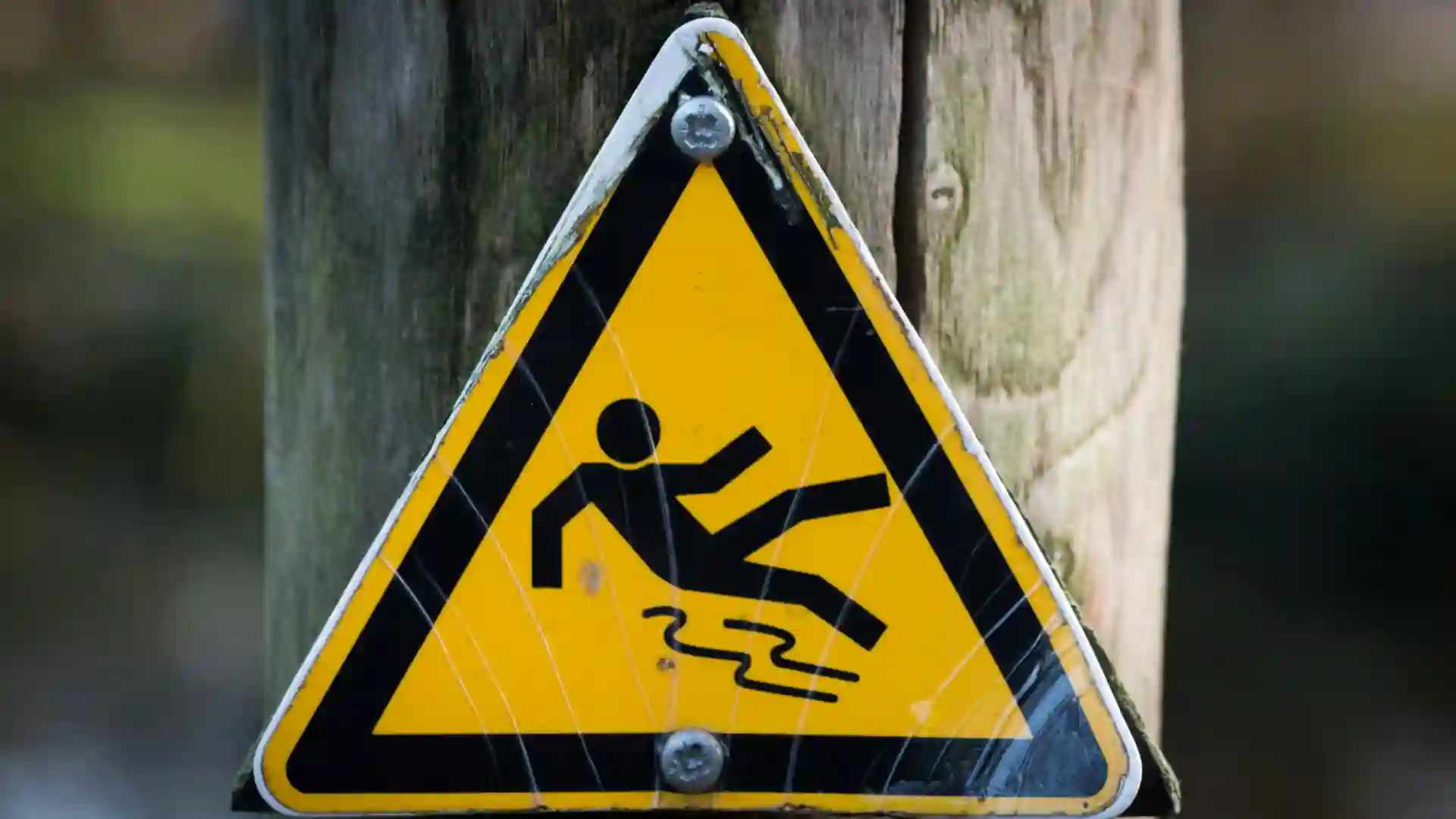
Workplace accidents strike without warning in high-risk jobs like trading, construction, plumbing, and electrical work—turning routine shifts into emergencies. For non-first-aid-trained coworkers, the focus must be on safe, minimal actions that help without risking legal trouble from overstepping. This guide details exact steps from that viewpoint, stressing scene safety and professional summons over hands-on intervention.
Common Accidents in High-Risk Jobs
Predictable mishaps hit fast in these fields, often from fatigue or equipment lapses.
Traders suffer stress-induced collapses or fainting from screen strain during market swings. Construction workers face falls from heights, struck-by tool incidents, or trench collapses. Plumbers encounter slips on wet surfaces, chemical burns from drains, or strains from heavy lifting. Electricians deal with shocks, arc flashes, or falls while wiring.
Global stats highlight construction’s 20% share of work fatalities, underscoring the need for bystander caution.
First 30 Seconds: Secure, Observe, Don’t Touch
Pause to protect yourself—rushing in can worsen injuries or invite negligence claims.
Yell to stop work and scan for hazards like live wires, debris, or traffic. Ask “Are you okay?” from a safe distance (2–3 meters) to gauge responsiveness without contact. Note breathing or movement visually; assume severity if unresponsive but hold back.
This keeps you clear of liability for improper handling, like shifting a potential spine injury.
Call Emergency Services—Your Main Duty
Contact local emergency services right away, even if details seem minor.
Provide: “Workplace accident at [exact location], [job type] injury, [visible signs like unconsciousness or bleeding], [victim count].” Stay on the line—they direct further steps.
Many jurisdictions require this “duty to assist,” with penalties for inaction, but it fully protects observers.
Safe Actions by Scenario
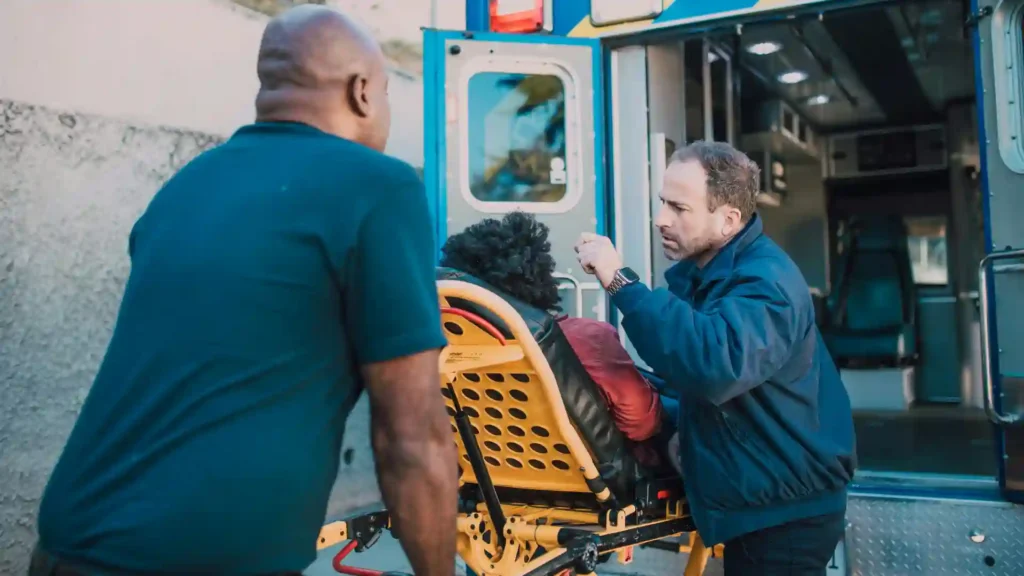
Limit to verbal cues and barriers—avoid physical treatment.
| Scenario | Do This (Untrained Safe) | Never Do This (Risky) |
|---|---|---|
| Unconscious | Monitor breathing from afar; shout for trained help | Shake, tilt head, or start CPR |
| Heavy Bleeding | Offer clean cloth if they can apply it; suggest elevation for minor cases | Bandage, tourniquet, or press wound |
| Burn/Shock | Cover lightly for warmth; reassure verbally | Cool with water or manipulate area |
| Electrocution | Cut power at source first (breaker); warn others | Pull victim or touch wires |
Employers handle training and kits; these steps align with “Good Samaritan” protections worldwide.
Legal Risks for Untrained Bystanders
Laws shield reasonable aid but scrutinize untrained overreach.
No universal “untrained ban,” but courts may pursue negligence if actions add harm (e.g., moving a fall victim). Stick to calls and scene control for zero liability. Document details afterward (time, witnesses, cause) for official reports.
Some nations fine botched CPR, making caution essential everywhere.
Prevention and Follow-Up Steps
Advocate for regular drills, PPE checks (insulated gloves for sparks, harnesses for heights), and clear signage.
Submit witness reports via company channels within 24 hours. Basic community training expands options safely.
Prepared workplaces prevent chaos—act minimally, summon experts, stay protected. Share your near-miss in comments to raise awareness.
Leave a Reply