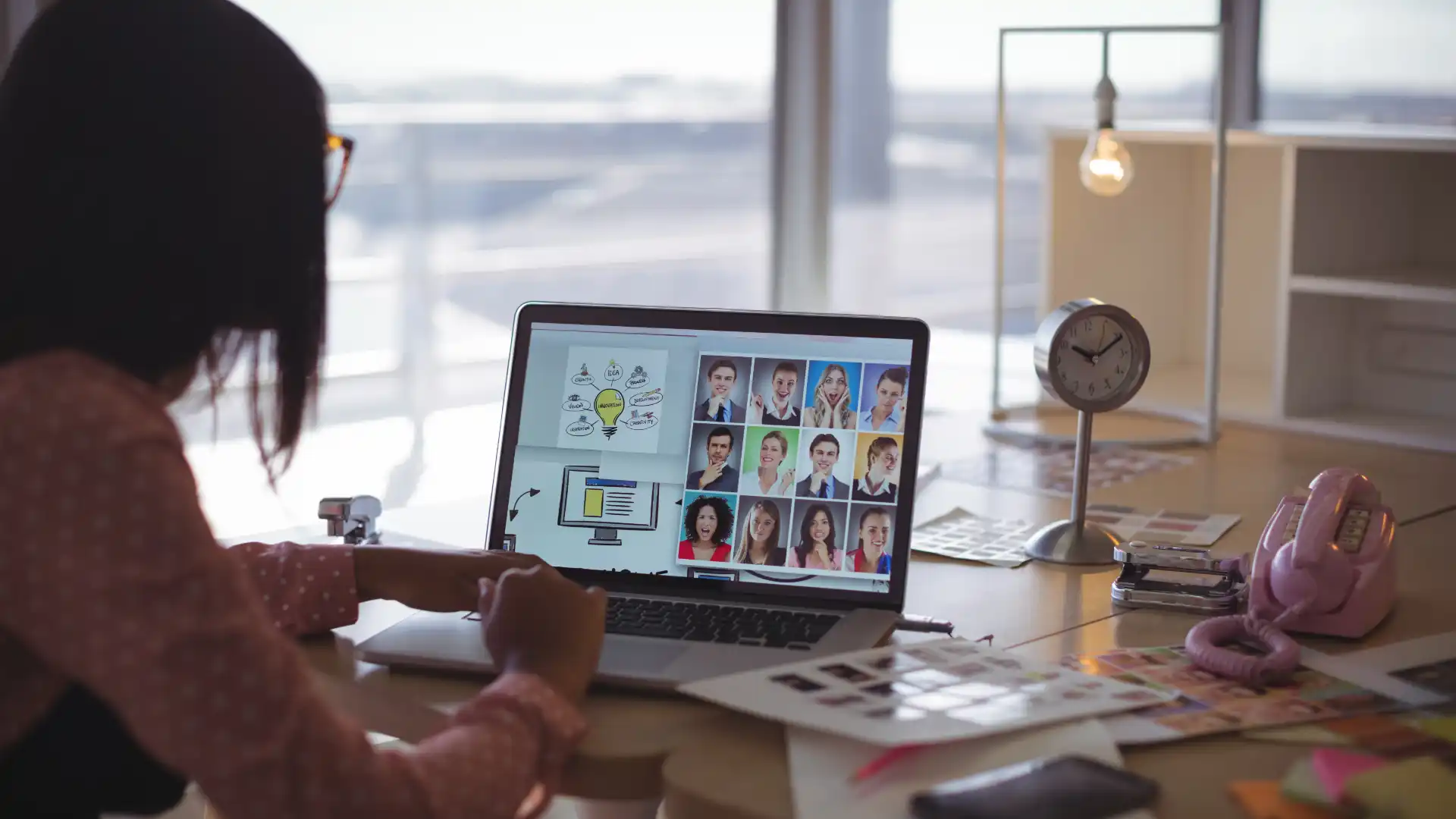
In 2026, the question for entrepreneurs is no longer if they should offer remote work, but how they can leverage a remote-first design to outperform their competition. Remote-first is not just a perk to attract talent; it is a fundamental strategic shift that allows startups to build global, lean, and highly efficient organizations from day one.
The Power of Asynchronous Velocity
The traditional office environment often relies on “synchronous” communication—constant meetings and instant check-ins—which can ironically stifle productivity. A remote-first model prioritizes asynchronous work, where tasks are clearly defined and documented, allowing team members to execute work when they are at their most effective. By shifting the focus from physical presence to measurable outcomes, you grant your team the autonomy they need to deliver high-quality work without the constant interruption of a commute or office distractions.
Building a Culture of Documentation
In a remote-first company, your “office” is your documentation. If a process is not written down, it effectively does not exist. This necessity forces founders to be intentional about their operations:
- Centralized Knowledge: Every workflow, project goal, and policy is stored in a shared, accessible hub, ensuring total transparency across the organization.
- Reduction of Ambiguity: Clear, written expectations eliminate the “he said/she said” culture, ensuring that everyone knows exactly what is expected of them.
- Scalability: When you eventually scale, new hires can onboard themselves by reading the “handbook,” rather than requiring hours of your personal time for basic training.
Talent Without Borders
Operating remotely dissolves the geographic barrier, giving you access to a global talent pool. Instead of hiring based on a 20-mile radius, you can source the absolute best expertise for your specific niche, regardless of time zone. This global approach often results in a more diverse, resilient team that can provide coverage across time zones, enabling your business to operate at “24/7 velocity” without burning out your employees.
The Strategic Moat
While your competitors remain tied to expensive office leases and regional hiring pools, a remote-first company reinvests those savings into product development, better marketing, and top-tier talent.
| Traditional Office | Remote-First Design |
|---|---|
| Hiring | Limited to local talent pool |
| Communication | Constant meetings/interruption |
| Culture | Built on physical proximity |
| Cost Basis | High overhead (rent/facilities) |
The “Remote-First” model is not about abandoning team connection; it is about building a professional environment where trust is measured by impact rather than desk time. By intentionally designing your startup around documentation, autonomy, and clear goals, you create a sustainable foundation that is capable of adapting to the rapid pace of 2026 and beyond.
Leave a Reply