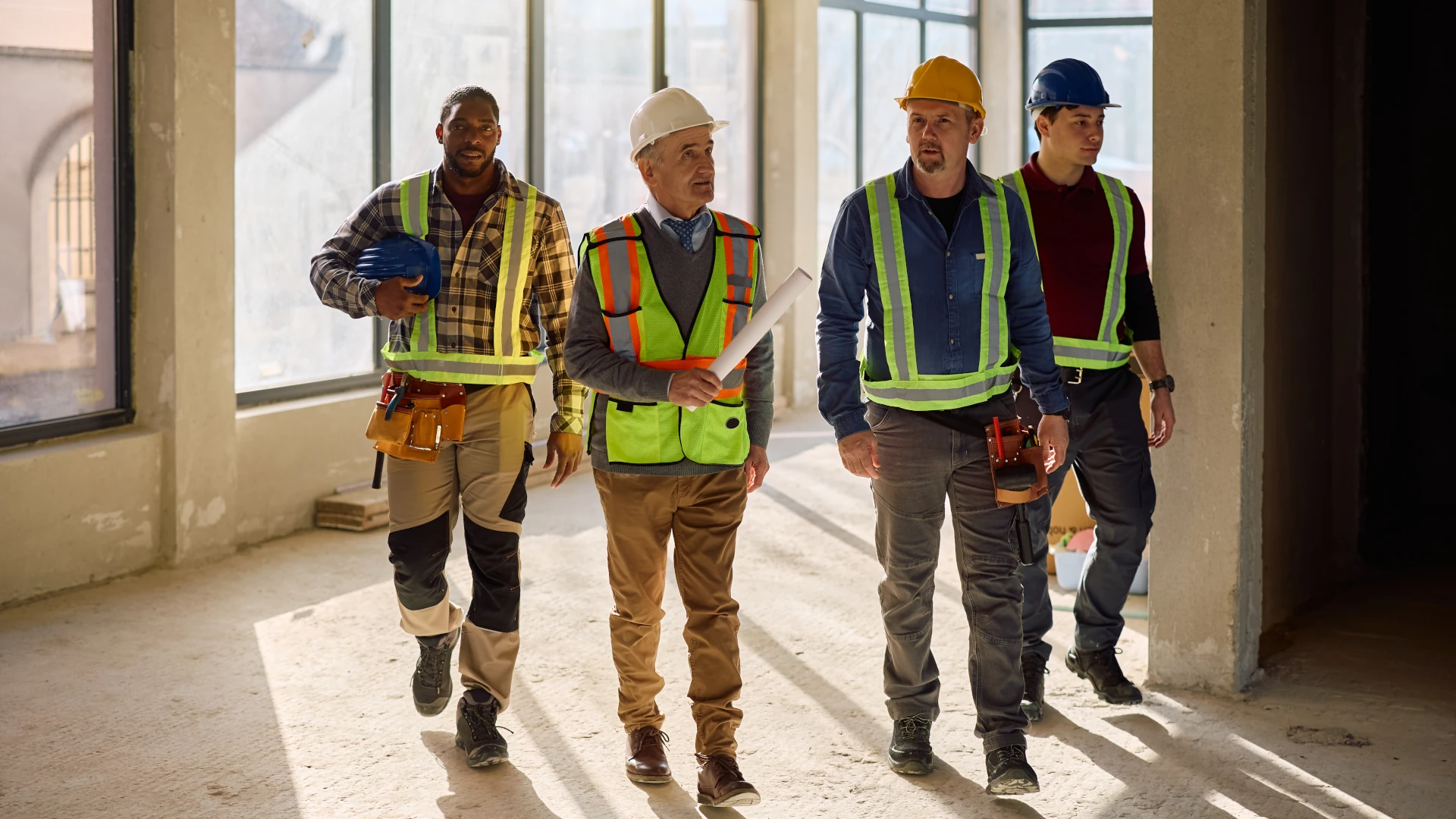
For decades, new homes were usually more expensive than existing properties. Buyers often paid a premium for modern layouts, energy-efficient systems, new appliances, warranties, and the ability to customize a home. In 2026, however, that traditional price gap has narrowed—and in some markets, it has disappeared completely.
During the first quarter of 2026, the median price of a new single-family home in the United States was approximately $403,200, compared with $404,600 for an existing home. This marked the fourth consecutive quarter in which existing homes were more expensive than new homes.eyeonhousing
The development is changing the competitive landscape for builders and contractors. New construction is no longer automatically positioned as the more expensive option. Builders are adjusting prices, offering incentives, redesigning homes, and finding ways to control costs in order to attract buyers who remain concerned about affordability and mortgage payments.
Why the price gap has changed
Several factors are contributing to this shift. Existing-home prices have remained high because many homeowners are reluctant to sell properties financed with lower mortgage rates. Limited resale inventory has helped support prices, even as buyers face affordability challenges.
At the same time, builders are managing a large amount of completed and nearly completed inventory in certain markets. When homes remain unsold, developers may need to reduce prices or offer incentives to keep projects moving and recover invested capital.
Affordability is also influencing buyer decisions. A lower purchase price does not automatically make a home affordable if mortgage rates, insurance, taxes, and maintenance costs remain high. Builders are therefore competing not only through the sales price but also through financing assistance and features that can reduce long-term ownership costs.
Builders are using more incentives
Price reductions are only one part of the current strategy. According to the National Association of Home Builders’ June 2026 Housing Market Index, 35% of builders reported cutting prices, up from 32% in May. The average reduction was 6%. In addition, 62% of builders offered sales incentives, the fifteenth consecutive month in which at least 60% of builders used incentives.nahb
These incentives can include:
- Mortgage-rate buydowns.
- Closing-cost assistance.
- Discounts on upgrades.
- Free appliances or improved finishes.
- Contributions toward homeowners’ association fees.
- Flexible payment schedules.
- Credits for design changes or landscaping.
For buyers, these offers may be more valuable than a direct price cut. A mortgage-rate buydown, for example, can reduce the monthly payment without permanently lowering the advertised value of the home. From the builder’s perspective, incentives may also protect the price structure of an entire community and avoid creating expectations for deeper discounts.
The challenge of controlling construction costs
Builders are under pressure to reduce prices while many construction expenses remain elevated. Materials, labor, land, permits, financing, insurance, and regulatory requirements all affect the final cost of a new home.
Research cited by the National Association of Home Builders estimates that government regulations add approximately $131,734 to the cost of an average new single-family home, representing about 26% of the average sales price. Although regulatory costs vary by location, this figure demonstrates how expenses beyond materials and labor can affect affordability.chicagoagentmagazine
Material prices also remain unpredictable in some markets. For example, official U.K. data showed that the all-work construction materials price index increased 6% between June 2025 and June 2026, while new-housing material prices rose 5%. Contractors in other countries may face different conditions, but the broader lesson is similar: price reductions are difficult to sustain when input costs continue to move upward.gov
How contractors can respond
Contractors working for builders can expect greater pressure to deliver projects within tighter budgets. The response should not be based only on cutting wages or selecting the cheapest materials. Excessive cost-cutting can create quality problems, delays, warranty claims, and dissatisfied clients.
A better approach is to identify savings throughout the project lifecycle.
Improve estimating accuracy
Accurate estimates are essential when margins are narrow. Contractors should review historical project data, update material prices frequently, and include realistic allowances for labor, delivery, waste, and weather-related delays.
Reduce rework
Rework can quickly eliminate profit on a competitively priced project. Clear drawings, coordination meetings, digital plans, and early communication between trades can help prevent installation errors and change orders.
Standardize where possible
Builders can control costs by offering a limited number of floor plans, finishes, fixtures, and upgrade packages. Standardization allows contractors to repeat proven processes, purchase materials more efficiently, and reduce unnecessary complexity.
Use technology strategically
Estimating software, project-management platforms, BIM coordination, digital scheduling, and automated progress tracking can help contractors identify problems earlier. Technology does not replace good management, but it can improve visibility and reduce administrative waste.
Protect quality
A competitively priced home still needs to meet code, perform efficiently, and satisfy the buyer. Contractors should avoid substitutions that compromise durability, energy performance, or safety. Delivering reliable work is one of the best ways to protect long-term profitability and reputation.
A changing value proposition
The competition is no longer based solely on who can offer the lowest price. Builders must demonstrate value. A new home may appeal to buyers because it provides modern energy systems, lower maintenance requirements, better insulation, warranties, and a layout designed for current lifestyles.
For contractors, this creates an opportunity to contribute to that value proposition. Energy-efficient construction, durable materials, smart-home systems, and careful workmanship can help distinguish new homes from older properties—even when the selling price is similar.
Conclusion
New construction is becoming more competitive on price because buyers are struggling with affordability, existing-home prices remain elevated, and builders are adjusting their strategies to sell inventory. In June 2026, 35% of builders reported reducing prices by an average of 6%, while 62% offered incentives.nahb
For contractors, the market requires greater cost discipline, accurate estimating, efficient coordination, and consistent quality. The companies that succeed will not necessarily be those offering the cheapest work. They will be the ones that help builders deliver attractive, efficient, and dependable homes at a price buyers can afford.