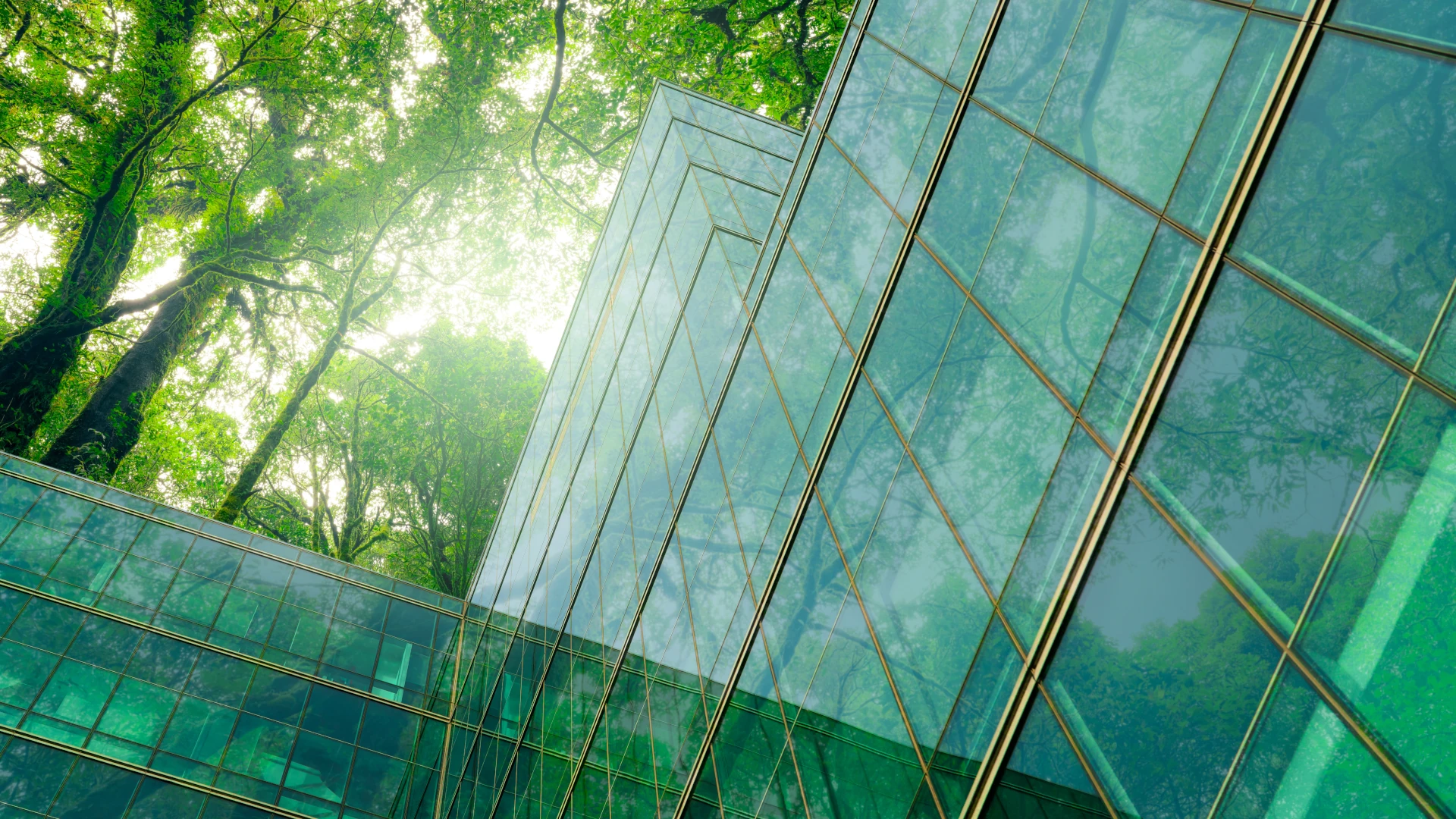
The construction industry is undergoing one of its most significant transformations in decades. With the built environment accounting for nearly 40% of global CO₂ emissions, sustainability has moved from a niche concern to a mainstream priority . In 2026, green building materials, energy-efficient standards, and solar integration are no longer optional—they are essential for contractors who want to stay competitive, meet regulations, and satisfy client demand.
For building contractors, this shift represents both a challenge and an opportunity. Those who understand sustainable materials and standards will be better positioned to win projects, reduce costs, and future-proof their businesses. This guide explains what you need to know about Passivhaus, Net Zero homes, low-carbon concrete, solar integration, and the top sustainable materials reshaping construction in 2026.
Why Sustainability Is Mainstream in 2026
Three major forces are driving the rapid adoption of sustainable construction practices: regulatory pressure, client demand, and long-term cost savings.
Regulatory pressure is intensifying worldwide. Governments are tightening energy efficiency and carbon standards for new homes and renovations, with many regions moving toward Net Zero requirements. In the U.K., the Future Homes Standard requires all new homes to be “net zero ready” with low-carbon heating and stricter energy performance. In the U.S., the ICC 700-2025 National Green Building Standard provides updated pathways for green and Net Zero certification. The European Union has also revised its Energy Performance of Buildings Directive to push for decarbonization and higher efficiency.legislation.gov+3
Client demand is equally powerful. Homeowners and developers increasingly want homes that are energy-efficient, healthy, and future-proofed against rising energy costs. Properties with green certifications or sustainable features often command higher resale values and attract more buyers .treefrogcreative
Cost savings make sustainability a smart business decision. High-performance buildings reduce long-term energy bills and maintenance costs, making them attractive to buyers and investors. For contractors, this means sustainable projects can offer higher margins and better client retention.treefrogcreative
Key Sustainable Building Standards
Understanding the major green building standards is essential for contractors who want to bid on modern projects. Two of the most important are Passivhaus and Net Zero.
Passivhaus (Passive House)
Passivhaus is a construction standard with more than 30 years of experience that focuses on minimizing energy demand through design optimization, not just renewable technology . The objective is to achieve maximum energy efficiency and thermal comfort with minimal heating and cooling systems .
Core criteria for Passivhaus certification include:
- Heating demand must not exceed 15 kWh/m² per year .
- Total renewable primary energy demand (heating, hot water, electricity) must not exceed 60 kWh/m² per year .
- Airtightness of maximum 0.6 air changes per hour at 50 pascals .
- Thermal comfort maintained year-round in all living areas .
Certification levels: Passivhaus offers three levels—Classic, Plus, and Premium—depending on energy generation and demand .
Benefits for homeowners and contractors: Passivhaus buildings can achieve up to 75% savings on heating and cooling costs, improved indoor air quality, and higher resale value . For contractors, Passivhaus projects demonstrate expertise and can open doors to premium markets.
Net Zero Homes
Net Zero homes are designed to produce as much renewable energy as they consume annually, or are “net zero ready” to achieve this with minor upgrades. This standard is becoming a baseline for new construction in many regions.nrla.org
Key requirements include:
- Transition from gas boilers to low-carbon heating systems such as heat pumps or solar panels.nrla.org
- Stricter fabric efficiency to minimize energy loss.nrla.org
- On-site renewable energy generation, typically through solar PV.nrla.org
Why it matters: Many regions are moving toward Net Zero as a mandatory standard for new construction, making it a future-proof benchmark for contractors. The ICC 700-2025 National Green Building Standard in the U.S. includes specific pathways for Net Zero certification, covering low-carbon design, resilience, and flexible compliance.nrla.org+1
Top Sustainable Building Materials in 2026
The materials revolution is one of the most visible aspects of sustainable construction. Here are the top eco-friendly materials contractors should know about in 2026.treefrogcreative
Cross-Laminated Timber (CLT)
CLT is an engineered wood product made from layers of timber panels bonded together. It is strong, lightweight, and carbon-sequestering, making it an excellent alternative to steel and concrete for mid-rise buildings. CLT reduces embodied carbon and can speed up construction timelines significantly.treefrogcreative
Hempcrete
Hempcrete is a bio-composite made from hemp fibers and lime. It offers excellent thermal insulation, moisture regulation, and carbon-negative properties. Hempcrete improves indoor air quality and is increasingly used in eco-focused residential projects.treefrogcreative
Mycelium Composites
Mycelium is made from fungal root structures and is used for insulation and acoustic panels. It is biodegradable, fire-resistant, lightweight, and represents cutting-edge bio-based innovation in construction.treefrogcreative
Recycled Plastic Bricks and Lumber
These materials are made from post-consumer plastic waste and are durable, water-resistant, and low-maintenance. They reduce landfill waste and can replace traditional materials in certain applications such as fencing, decking, and non-structural walls.treefrogcreative
Green Concrete (Low-CO₂ Concrete)
Traditional concrete production is responsible for significant CO₂ emissions, making low-carbon alternatives critical . Green concrete uses alternative binders, industrial byproducts, or carbon capture technology to reduce emissions. Applications include foundations, structural elements, and pavements .
Bamboo
Bamboo is a fast-growing, renewable, and strong material used for flooring, cabinetry, and structural elements. It offers a sustainable alternative to hardwoods and has excellent mechanical properties.treefrogcreative
Straw Bales
Straw bales are an agricultural byproduct used for insulation and wall systems. They are highly sustainable, low-cost, and offer excellent thermal performance. Straw bale construction is particularly suitable for rural and eco-focused projects.treefrogcreative
Rammed Earth
Rammed earth involves compressed soil mixed with stabilizers to create walls. It has high thermal mass, is durable, and is visually distinctive. Rammed earth has low embodied energy and a long lifespan, making it ideal for sustainable builds.treefrogcreative
Self-Healing Concrete
Self-healing concrete contains bacteria or capsules that repair cracks automatically. This emerging technology extends the lifespan of concrete structures and reduces maintenance costs, making it valuable for long-term infrastructure projects.treefrogcreative
Cork Insulation
Cork is harvested from cork oak trees without harming the tree. It offers excellent thermal and acoustic properties, is renewable, biodegradable, and fire-resistant. Cork insulation is increasingly used in sustainable residential and commercial buildings.treefrogcreative
Solar Integration in Residential Construction
Solar energy is no longer an add-on—it is becoming an integral part of building design. Building-Integrated Photovoltaics (BIPV) are solar panels that are part of the building envelope, such as roof tiles, facades, or windows, rather than separate installations .
Regulatory requirements: New regulations in some regions require solar-ready designs or mandatory solar installation on new homes. In the U.K., the Future Homes Standard includes provisions for solar-ready construction.nrla.org
Benefits for homeowners and contractors:
- Reduces energy bills for homeowners .
- Increases property value and marketability .
- Helps meet Net Zero and Passivhaus standards .
- Plug-in solar: Affordable, easy-to-install solar units for balconies or outdoor spaces are making solar accessible for retrofits and apartments.nrla.org
For contractors, offering solar integration as part of a package can differentiate your services and add value to every project.
Regulatory Trends and What Contractors Should Watch
Staying informed about regulatory changes is critical for contractors who want to avoid costly retrofits and remain compliant.
Future Homes Standard (U.K.): Requires all new homes to be “net zero ready” with low-carbon heating and stricter energy performance.nrla.org
Energy Performance of Buildings Directive (EU): Revised standards push for decarbonization, higher efficiency, and mandatory energy performance certifications.europarl.europa
ICC 700-2025 (U.S.): Updated National Green Building Standard includes low-carbon design, resilience, and flexible compliance pathways for green and Net Zero certification.nahb
Local codes: Many municipalities are adopting stricter energy codes and requiring solar-ready designs.dgs.ca
Contractors who proactively align with these standards will be better positioned to win bids and avoid compliance issues.
Practical Benefits for Contractors
Adopting sustainable practices offers tangible business advantages:
- Competitive advantage: Ability to bid on projects requiring green certification or sustainable materials.nahb
- Higher margins: Sustainable projects often command premium pricing due to their long-term value.treefrogcreative
- Future-proofing: Aligning with regulations reduces the risk of costly retrofits later.nrla.org
- Client satisfaction: Delivering energy-efficient, healthy homes improves reputation and generates referrals.treefrogcreative
Challenges and How to Address Them
While sustainability offers many benefits, contractors should be aware of potential challenges:
- Higher upfront costs: Sustainable materials and systems can cost more initially, but long-term savings offset this.treefrogcreative
- Supply chain limitations: Some materials may not be widely available in all regions .
- Training needs: Contractors may need to upskill in new methods like Passivhaus construction or BIPV installation .
Solutions: Partner with suppliers, pursue certifications, and start with pilot projects to build expertise gradually.
Case Studies and Examples
- Passivhaus projects: Successful residential builds in North America have achieved certification and reduced energy costs by up to 75% .
- Low-carbon concrete: Projects using green concrete have demonstrated significant emissions reductions without compromising structural integrity .
- Solar-integrated homes: BIPV and rooftop solar installations have helped homeowners achieve Net Zero status and reduce energy bills by 50–100%.nrla.org
Conclusion
Sustainability is no longer a niche trend—it is the new baseline for construction in 2026. Contractors who embrace green materials, energy-efficient standards like Passivhaus and Net Zero, and solar integration will be better positioned for growth, compliance, and client satisfaction.treefrogcreative
The future of construction is sustainable, efficient, and resilient. For contractors who adapt early, this shift represents a significant opportunity to differentiate their services, win more projects, and build a reputation as industry leaders.