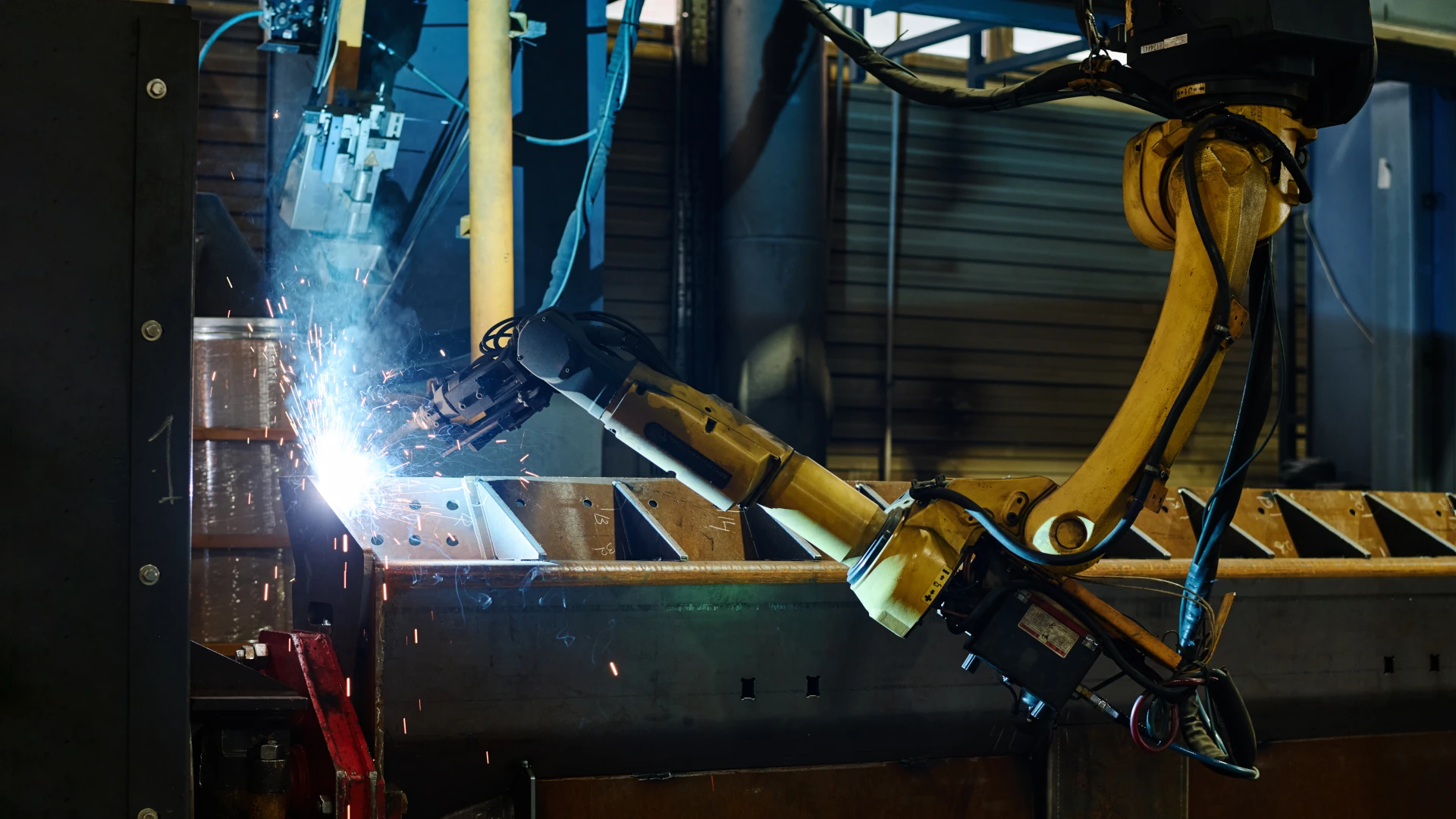
For years, construction robotics was often associated with futuristic concepts, expensive prototypes, and highly controlled factory environments. That perception is changing in 2026. Robots are increasingly being used on active jobsites to improve accuracy, reduce repetitive work, address safety concerns, and help contractors deliver projects more efficiently.
A recent BuiltWorlds report found that 79% of surveyed general and specialty contractors reported using jobsite robotics to some degree in 2026, compared with 29% in 2025. The same survey identified improved accuracy as the leading benefit, followed by reduced manual effort and improved safety.bdcnetwork+1
This shift does not mean that robots are replacing construction professionals. Instead, it shows that contractors are beginning to use robotics as specialized equipment that supports skilled workers and improves project performance.
From technology demonstration to practical equipment
Construction companies are generally cautious when adopting new technology. A tool must demonstrate clear value in real project conditions before contractors invest time and money in it. Construction robotics is gaining acceptance because newer systems are designed to perform specific tasks rather than attempt to automate an entire jobsite.
Today’s construction robots can assist with layout, surveying, scanning, demolition, material transportation, bricklaying, drilling, and site documentation. Layout robots, for example, can transfer digital building information models to floors and other surfaces with a high degree of precision. Other machines can work in hazardous areas or perform repetitive tasks that place strain on human workers.builtworlds+1
This task-focused approach makes robotics easier to understand and evaluate. Contractors do not have to automate everything. They can identify one difficult, repetitive, or error-prone activity and test whether a robotic system can improve the result.
Accuracy is becoming the main advantage
Labor savings and safety remain important reasons for adopting robotics, but accuracy is now one of the most persuasive benefits for contractors. In the BuiltWorlds survey, 75% of respondents cited improved accuracy as a primary advantage of jobsite robotics.bdcnetwork
Greater accuracy can have a direct impact on project profitability. Errors in layout, drilling, cutting, or installation can lead to rework, schedule delays, material waste, and disputes between trades. A robotic system connected to a digital plan can help teams complete certain tasks more consistently and reduce the possibility of human error.
For example, a layout robot can print or mark locations based on a BIM model before walls, mechanical systems, or other components are installed. This gives crews a clearer reference point and can improve coordination between subcontractors. The robot does not eliminate the need for experienced workers; it gives them more precise information to use in the field.
Improving jobsite safety
Construction remains a physically demanding industry, and many tasks involve heights, heavy materials, dust, vibration, confined spaces, or repetitive movement. Robotics can help reduce the amount of time workers spend performing dangerous or physically stressful activities.
The National Institute for Occupational Safety and Health notes that robotics may improve productivity, reduce musculoskeletal disorders, and improve work quality by limiting human error. Demolition robots, for instance, can be operated remotely, allowing workers to remain farther away from unstable structures or hazardous materials.cdc
Robotics can also support safer material handling and reduce repetitive lifting. Over time, these applications may help contractors lower injury risks, improve worker well-being, and reduce the disruption caused by accidents and lost workdays.
Addressing labor and productivity challenges
Many contractors continue to face difficulty finding and retaining skilled workers. Robotics will not solve the labor shortage by itself, but it can help companies use their existing workforce more effectively.
A robotic system can handle repetitive work while skilled employees focus on supervision, quality control, installation, problem-solving, and tasks that require judgment. This can make demanding projects more manageable without requiring a large increase in crew size.
The most successful contractors will likely treat robotics as a workforce support tool rather than a replacement strategy. Workers will need training to operate equipment, interpret digital information, maintain machines, and verify completed work. This creates opportunities for employees to develop new technical skills while remaining involved in construction operations.
The connection between robotics and BIM
Robotics becomes more valuable when it is connected to accurate digital project information. Building Information Modeling, laser scanning, GPS, computer vision, and cloud-based project platforms allow machines to work from detailed instructions and share information with project teams.
This connection can improve the relationship between design and field execution. A digital model can guide a robotic layout process, while scanning technology can document actual site conditions. Contractors can then compare the completed work with the original plan and identify discrepancies earlier.
However, the quality of the output depends on the quality of the data. Inaccurate models, incomplete information, or poor coordination can create problems even when the robotic equipment functions correctly. Contractors should therefore view digital planning and data management as essential parts of automation.
Challenges contractors must consider
Despite its growth, robotics is not suitable for every project or task. Equipment can require a significant investment, and contractors must consider purchase costs, rentals, software subscriptions, maintenance, transportation, and training.
Jobsites are also unpredictable. Weather, congestion, changing designs, uneven surfaces, and coordination problems can affect robotic performance. A machine may work efficiently in one environment but require additional setup or supervision in another.
For these reasons, contractors should begin with a clear business case. The best starting point is usually a task that is repetitive, measurable, costly, or hazardous. Companies can test the technology on a limited project, track results, and determine whether it improves productivity, quality, safety, or profitability.
What this means for contractors
Construction robotics is moving from experiment to jobsite reality because contractors are seeing practical value in specialized applications. Accuracy, safety, reduced manual effort, and better productivity are no longer abstract promises; they are becoming measurable reasons to adopt the technology.bdcnetwork+1
The future will not necessarily belong to companies with the most robots. It will belong to contractors who know where automation can create the greatest advantage. By combining experienced workers, accurate digital information, and task-specific robotic equipment, construction companies can reduce rework, improve safety, and deliver more consistent results.
For contractors, the right question is no longer whether robotics will affect the industry. The more important question is which jobsite task should be the first one to automate.