Tag: construction labor shortage

  • Why Construction Robotics Is Moving from Experiment to Jobsite Reality

    Why Construction Robotics Is Moving from Experiment to Jobsite Reality

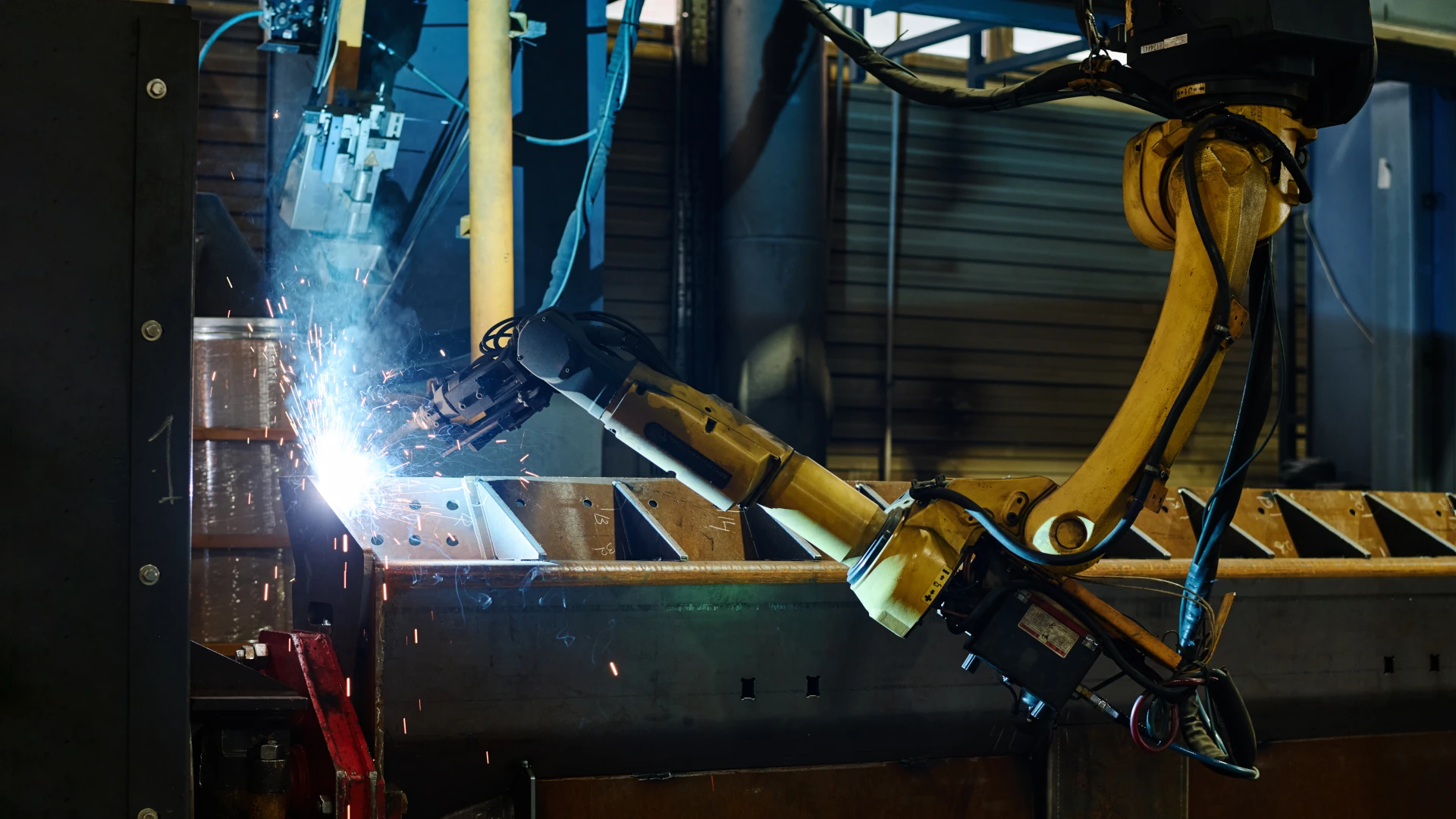
    For years, construction robotics was often associated with futuristic concepts, expensive prototypes, and highly controlled factory environments. That perception is changing in 2026. Robots are increasingly being used on active jobsites to improve accuracy, reduce repetitive work, address safety concerns, and help contractors deliver projects more efficiently.

    A recent BuiltWorlds report found that 79% of surveyed general and specialty contractors reported using jobsite robotics to some degree in 2026, compared with 29% in 2025. The same survey identified improved accuracy as the leading benefit, followed by reduced manual effort and improved safety.bdcnetwork+1

    This shift does not mean that robots are replacing construction professionals. Instead, it shows that contractors are beginning to use robotics as specialized equipment that supports skilled workers and improves project performance.

    From technology demonstration to practical equipment

    Construction companies are generally cautious when adopting new technology. A tool must demonstrate clear value in real project conditions before contractors invest time and money in it. Construction robotics is gaining acceptance because newer systems are designed to perform specific tasks rather than attempt to automate an entire jobsite.

    Today’s construction robots can assist with layout, surveying, scanning, demolition, material transportation, bricklaying, drilling, and site documentation. Layout robots, for example, can transfer digital building information models to floors and other surfaces with a high degree of precision. Other machines can work in hazardous areas or perform repetitive tasks that place strain on human workers.builtworlds+1

    This task-focused approach makes robotics easier to understand and evaluate. Contractors do not have to automate everything. They can identify one difficult, repetitive, or error-prone activity and test whether a robotic system can improve the result.

    Accuracy is becoming the main advantage

    Labor savings and safety remain important reasons for adopting robotics, but accuracy is now one of the most persuasive benefits for contractors. In the BuiltWorlds survey, 75% of respondents cited improved accuracy as a primary advantage of jobsite robotics.bdcnetwork

    Greater accuracy can have a direct impact on project profitability. Errors in layout, drilling, cutting, or installation can lead to rework, schedule delays, material waste, and disputes between trades. A robotic system connected to a digital plan can help teams complete certain tasks more consistently and reduce the possibility of human error.

    For example, a layout robot can print or mark locations based on a BIM model before walls, mechanical systems, or other components are installed. This gives crews a clearer reference point and can improve coordination between subcontractors. The robot does not eliminate the need for experienced workers; it gives them more precise information to use in the field.

    Improving jobsite safety

    Construction remains a physically demanding industry, and many tasks involve heights, heavy materials, dust, vibration, confined spaces, or repetitive movement. Robotics can help reduce the amount of time workers spend performing dangerous or physically stressful activities.

    The National Institute for Occupational Safety and Health notes that robotics may improve productivity, reduce musculoskeletal disorders, and improve work quality by limiting human error. Demolition robots, for instance, can be operated remotely, allowing workers to remain farther away from unstable structures or hazardous materials.cdc

    Robotics can also support safer material handling and reduce repetitive lifting. Over time, these applications may help contractors lower injury risks, improve worker well-being, and reduce the disruption caused by accidents and lost workdays.

    Addressing labor and productivity challenges

    Many contractors continue to face difficulty finding and retaining skilled workers. Robotics will not solve the labor shortage by itself, but it can help companies use their existing workforce more effectively.

    A robotic system can handle repetitive work while skilled employees focus on supervision, quality control, installation, problem-solving, and tasks that require judgment. This can make demanding projects more manageable without requiring a large increase in crew size.

    The most successful contractors will likely treat robotics as a workforce support tool rather than a replacement strategy. Workers will need training to operate equipment, interpret digital information, maintain machines, and verify completed work. This creates opportunities for employees to develop new technical skills while remaining involved in construction operations.

    The connection between robotics and BIM

    Robotics becomes more valuable when it is connected to accurate digital project information. Building Information Modeling, laser scanning, GPS, computer vision, and cloud-based project platforms allow machines to work from detailed instructions and share information with project teams.

    This connection can improve the relationship between design and field execution. A digital model can guide a robotic layout process, while scanning technology can document actual site conditions. Contractors can then compare the completed work with the original plan and identify discrepancies earlier.

    However, the quality of the output depends on the quality of the data. Inaccurate models, incomplete information, or poor coordination can create problems even when the robotic equipment functions correctly. Contractors should therefore view digital planning and data management as essential parts of automation.

    Challenges contractors must consider

    Despite its growth, robotics is not suitable for every project or task. Equipment can require a significant investment, and contractors must consider purchase costs, rentals, software subscriptions, maintenance, transportation, and training.

    Jobsites are also unpredictable. Weather, congestion, changing designs, uneven surfaces, and coordination problems can affect robotic performance. A machine may work efficiently in one environment but require additional setup or supervision in another.

    For these reasons, contractors should begin with a clear business case. The best starting point is usually a task that is repetitive, measurable, costly, or hazardous. Companies can test the technology on a limited project, track results, and determine whether it improves productivity, quality, safety, or profitability.

    What this means for contractors

    Construction robotics is moving from experiment to jobsite reality because contractors are seeing practical value in specialized applications. Accuracy, safety, reduced manual effort, and better productivity are no longer abstract promises; they are becoming measurable reasons to adopt the technology.bdcnetwork+1

    The future will not necessarily belong to companies with the most robots. It will belong to contractors who know where automation can create the greatest advantage. By combining experienced workers, accurate digital information, and task-specific robotic equipment, construction companies can reduce rework, improve safety, and deliver more consistent results.

    For contractors, the right question is no longer whether robotics will affect the industry. The more important question is which jobsite task should be the first one to automate.

  • Why Industrialized Construction Is Gaining Ground in 2026

    Why Industrialized Construction Is Gaining Ground in 2026

    Industrialized construction is no longer a niche idea. In 2026, it is becoming one of the most practical responses to the construction industry’s biggest challenges: housing shortages, labor constraints, cost pressure, and the need to deliver projects faster and with more consistency.

    The sector is changing. Contractors, developers, and builders are under growing pressure to complete projects more efficiently while maintaining quality and controlling risk. Industrialized construction offers a way to do that by moving much of the building process from the job site to a controlled factory environment.

    What industrialized construction means

    Industrialized construction refers to building components, modules, or entire systems off-site and then assembling them on-site. This can include prefabricated walls, bathroom pods, structural elements, mechanical systems, and even complete modular units.

    Unlike traditional construction, where most work happens directly at the site, industrialized methods rely on standardization, repetition, and planning. That shift allows teams to reduce errors, improve scheduling, and better manage materials and labor.

    Why it is growing in 2026

    One of the biggest reasons industrialized construction is gaining ground is the housing shortage. In many markets, demand for affordable and available housing continues to outpace supply. Traditional construction alone often cannot keep up with that pace.

    At the same time, the industry is dealing with labor shortages. Skilled workers are in high demand, and many companies struggle to staff projects consistently. Industrialized construction helps reduce dependence on large on-site crews by shifting part of the work to factory-based production.

    Cost pressure is another major factor. Materials, energy, logistics, and delays can quickly increase project expenses. Industrialized methods can improve predictability and reduce waste, which is especially valuable in a market where margins are tight.

    Main advantages

    Industrialized construction is attractive because it solves several problems at once.

    • It can shorten project timelines because site preparation and component production happen at the same time.
    • It improves quality control because factory environments are more standardized than job sites.
    • It reduces material waste through more precise planning and production.
    • It can improve worker safety by limiting exposure to harsh site conditions.
    • It helps companies manage budgets more predictably.
    • It supports sustainability goals by reducing waste and increasing efficiency.

    For many contractors, these benefits are not just theoretical. They translate into fewer delays, smoother coordination, and better client satisfaction.

    How technology is helping

    Technology is a major reason this model is expanding. Digital planning tools, 3D modeling, BIM, and AI-assisted design are making it easier to coordinate every phase of a project before construction begins.

    This matters because industrialized construction depends on precision. The more accurate the planning, the easier it is to manufacture components correctly and assemble them on-site without costly adjustments. In other words, digital tools are making industrialized construction more scalable and reliable than before.

    Challenges to consider

    Industrialized construction is promising, but it is not perfect. It requires upfront planning, coordination, and a willingness to adopt new workflows. Projects also need careful logistics, especially when transporting large components or modules.

    There can also be regulatory and design challenges. Not every project is suitable for industrialized methods, and local codes or site conditions may limit how far the model can go. For that reason, many firms are using hybrid approaches that combine traditional construction with prefabricated or modular elements.

    Why contractors should pay attention

    For contractors, the rise of industrialized construction is a business signal. Clients increasingly want faster delivery, clearer budgets, and better quality control. Firms that understand industrialized methods may have an advantage when bidding on future projects.

    This does not mean every contractor needs to fully change their model overnight. But it does mean the industry is moving toward greater standardization, more digital coordination, and more off-site production. Contractors who adapt early will likely be better positioned to compete.

    Conclusion

    Industrialized construction is gaining ground in 2026 because it addresses the real pain points of the industry: speed, cost, labor, quality, and sustainability. It is not just a trend; it is becoming a strategic response to how construction must evolve.

    For builders and contractors, the message is clear: the future of construction will likely be more efficient, more digital, and more industrialized than the past.

  • The Construction Labor Crisis: What Contractors Need to Do Now

    The Construction Labor Crisis: What Contractors Need to Do Now

    The construction industry has faced many challenges over the years, from economic downturns and material shortages to rising interest rates and supply chain disruptions. However, one issue continues to impact contractors across the country more than almost any other: the shortage of skilled labor.

    Whether you’re a general contractor, electrician, plumber, roofer, HVAC specialist, or remodeling professional, finding qualified workers has become increasingly difficult. Many construction companies are turning down projects, extending completion timelines, or paying significantly higher wages simply to maintain their workforce.

    The labor shortage is not a temporary problem. It is a long-term challenge that requires contractors to rethink how they recruit, train, and retain talent. Understanding the causes of this crisis and developing a proactive strategy can help construction businesses remain competitive and continue growing in today’s market.

    The Aging Workforce Is Creating a Knowledge Gap

    One of the primary drivers behind the labor shortage is the aging construction workforce.

    For decades, the construction industry benefited from a large pool of experienced tradespeople who entered the workforce during the building booms of the 1980s and 1990s. Today, many of these professionals are reaching retirement age.

    As seasoned workers retire, companies lose valuable knowledge, leadership, and technical expertise. The departure of experienced foremen, project managers, estimators, and skilled tradespeople creates gaps that cannot be filled overnight.

    The challenge is not simply replacing workers—it is replacing decades of hands-on experience. Many contractors are discovering that finding qualified candidates with the same level of expertise is becoming increasingly difficult.

    Why Fewer Young People Are Entering the Trades

    For years, students were encouraged to pursue four-year college degrees as the primary path to success. As a result, vocational education programs and shop classes gradually disappeared from many schools.

    This shift created a generation of young adults who often overlooked careers in construction, plumbing, electrical work, HVAC, and other skilled trades.

    Ironically, many of today’s trade professionals earn incomes that rival or exceed those of college graduates while avoiding significant student loan debt.

    The perception of skilled trades is beginning to change, but the industry still faces a shortage of young workers entering apprenticeship programs and construction careers.

    Contractors who understand this trend have an opportunity to position the trades as an attractive career path for the next generation.

    The Hidden Cost of Labor Shortages

    When contractors think about labor shortages, they often focus on the difficulty of hiring. However, the true impact goes much deeper.

    Delayed Projects

    Insufficient staffing can lead to project delays, missed deadlines, and scheduling conflicts. These delays may affect client satisfaction and reduce opportunities for future referrals.

    Lost Revenue Opportunities

    Many construction companies have more work available than they can realistically complete. Without enough workers, contractors are often forced to decline profitable projects.

    Increased Labor Costs

    Competition for experienced tradespeople has driven wages higher in many markets. While competitive compensation is necessary, rising labor costs can put pressure on profit margins if pricing strategies are not adjusted accordingly.

    Employee Burnout

    When teams operate short-staffed, existing employees frequently work longer hours and take on additional responsibilities. Over time, this can lead to burnout, decreased morale, and higher turnover rates.

    Slower Business Growth

    Perhaps the greatest cost of all is limited growth. Contractors cannot scale their businesses without a reliable workforce capable of supporting increased demand.

    In many cases, workforce limitations—not customer demand—are the primary obstacle preventing contractors from reaching the next level.

    Apprenticeships Are More Important Than Ever

    The most successful contractors are no longer waiting for skilled workers to appear. Instead, they are creating their own talent pipeline through training and apprenticeship programs.

    Apprenticeships provide new workers with practical, hands-on experience while allowing employers to teach company-specific standards and processes.

    Benefits of apprenticeship programs include:

    • Developing skilled workers from within
    • Improving employee loyalty and retention
    • Creating future leaders for the company
    • Reducing dependence on external hiring
    • Building a stronger company culture

    While training requires an investment of time and resources, many contractors find that developing their own workforce delivers significant long-term returns.

    The Role of Immigration in Construction Labor

    Immigrant workers have long played an important role in the construction industry.

    In many regions, immigrant labor helps support residential, commercial, and infrastructure projects. Changes in immigration policies, workforce regulations, and labor availability can have a direct impact on construction companies seeking qualified workers.

    Regardless of political perspectives, labor availability remains an important economic issue for contractors. Business owners should stay informed about workforce trends and ensure that their hiring practices remain compliant with all applicable laws and regulations.

    Understanding labor market dynamics can help contractors anticipate future workforce challenges and develop effective recruitment strategies.

    How Contractors Can Attract Younger Workers

    The next generation of workers has different expectations than previous generations. Contractors who want to attract younger talent must adapt their recruiting strategies accordingly.

    Highlight Career Growth Opportunities

    Young workers want to see a clear path toward advancement. Demonstrating opportunities for promotions, leadership roles, certifications, and business ownership can make construction careers more appealing.

    Showcase Earnings Potential

    Many young adults are unaware of the income opportunities available in the skilled trades. Sharing realistic earning potential can help change perceptions about construction careers.

    Invest in Technology

    Modern workers expect modern tools. Contractors who utilize digital project management systems, estimating software, drones, AI-powered solutions, and mobile technology often appeal more to younger candidates.

    Build a Strong Company Culture

    Today’s workforce values supportive leadership, teamwork, mentorship, and professional development. Companies that create positive work environments often gain a competitive advantage in recruiting and retention.

    Use Social Media Recruiting

    Platforms such as YouTube, Instagram, TikTok, and Facebook have become valuable recruiting tools. Sharing project highlights, employee success stories, and behind-the-scenes content can help attract potential candidates.

    What Successful Contractors Are Doing Differently

    Leading construction companies recognize that recruiting is no longer something they do only when they need employees. Instead, they treat workforce development as an ongoing business strategy.

    These companies are:

    • Building relationships with trade schools
    • Creating apprenticeship programs
    • Offering mentorship opportunities
    • Investing in employee development
    • Promoting from within
    • Maintaining year-round recruiting efforts
    • Building strong employer brands

    Rather than reacting to labor shortages, they are preparing for the future by continuously developing talent.

    The Bottom Line

    The construction labor shortage is one of the most significant challenges facing the industry today. As experienced workers retire and demand for construction services remains strong, contractors who fail to address workforce development may struggle to grow.

    However, businesses that invest in recruiting, training, apprenticeships, and employee retention can turn this challenge into a competitive advantage.

    The contractors who succeed over the next decade will not simply be the best builders. They will be the best leaders, trainers, and recruiters.

    In today’s construction market, building a strong workforce may be just as important as building quality projects.