Tag: Construction automation

  • Why Industrialized Construction Is Gaining Ground in 2026

    Why Industrialized Construction Is Gaining Ground in 2026

    Industrialized construction is no longer a niche idea. In 2026, it is becoming one of the most practical responses to the construction industry’s biggest challenges: housing shortages, labor constraints, cost pressure, and the need to deliver projects faster and with more consistency.

    The sector is changing. Contractors, developers, and builders are under growing pressure to complete projects more efficiently while maintaining quality and controlling risk. Industrialized construction offers a way to do that by moving much of the building process from the job site to a controlled factory environment.

    What industrialized construction means

    Industrialized construction refers to building components, modules, or entire systems off-site and then assembling them on-site. This can include prefabricated walls, bathroom pods, structural elements, mechanical systems, and even complete modular units.

    Unlike traditional construction, where most work happens directly at the site, industrialized methods rely on standardization, repetition, and planning. That shift allows teams to reduce errors, improve scheduling, and better manage materials and labor.

    Why it is growing in 2026

    One of the biggest reasons industrialized construction is gaining ground is the housing shortage. In many markets, demand for affordable and available housing continues to outpace supply. Traditional construction alone often cannot keep up with that pace.

    At the same time, the industry is dealing with labor shortages. Skilled workers are in high demand, and many companies struggle to staff projects consistently. Industrialized construction helps reduce dependence on large on-site crews by shifting part of the work to factory-based production.

    Cost pressure is another major factor. Materials, energy, logistics, and delays can quickly increase project expenses. Industrialized methods can improve predictability and reduce waste, which is especially valuable in a market where margins are tight.

    Main advantages

    Industrialized construction is attractive because it solves several problems at once.

    • It can shorten project timelines because site preparation and component production happen at the same time.
    • It improves quality control because factory environments are more standardized than job sites.
    • It reduces material waste through more precise planning and production.
    • It can improve worker safety by limiting exposure to harsh site conditions.
    • It helps companies manage budgets more predictably.
    • It supports sustainability goals by reducing waste and increasing efficiency.

    For many contractors, these benefits are not just theoretical. They translate into fewer delays, smoother coordination, and better client satisfaction.

    How technology is helping

    Technology is a major reason this model is expanding. Digital planning tools, 3D modeling, BIM, and AI-assisted design are making it easier to coordinate every phase of a project before construction begins.

    This matters because industrialized construction depends on precision. The more accurate the planning, the easier it is to manufacture components correctly and assemble them on-site without costly adjustments. In other words, digital tools are making industrialized construction more scalable and reliable than before.

    Challenges to consider

    Industrialized construction is promising, but it is not perfect. It requires upfront planning, coordination, and a willingness to adopt new workflows. Projects also need careful logistics, especially when transporting large components or modules.

    There can also be regulatory and design challenges. Not every project is suitable for industrialized methods, and local codes or site conditions may limit how far the model can go. For that reason, many firms are using hybrid approaches that combine traditional construction with prefabricated or modular elements.

    Why contractors should pay attention

    For contractors, the rise of industrialized construction is a business signal. Clients increasingly want faster delivery, clearer budgets, and better quality control. Firms that understand industrialized methods may have an advantage when bidding on future projects.

    This does not mean every contractor needs to fully change their model overnight. But it does mean the industry is moving toward greater standardization, more digital coordination, and more off-site production. Contractors who adapt early will likely be better positioned to compete.

    Conclusion

    Industrialized construction is gaining ground in 2026 because it addresses the real pain points of the industry: speed, cost, labor, quality, and sustainability. It is not just a trend; it is becoming a strategic response to how construction must evolve.

    For builders and contractors, the message is clear: the future of construction will likely be more efficient, more digital, and more industrialized than the past.

  • Robots on the Rise: Will Builders, Plumbers, and Electricians Survive the AI Construction Boom?

    Robots on the Rise: Will Builders, Plumbers, and Electricians Survive the AI Construction Boom?

    The construction industry, particularly in the demand for tradespeople. is undergoing a significant transformation fueled by the AI boom. As artificial intelligence and automation technologies advance, the roles and responsibilities of construction workers, including builders, plumbers, and electricians, are evolving. This article explores the impact of robotics and AI tools on these trade jobs, addressing concerns about job displacement and highlighting new opportunities for skilled tradespeople.

    Introduction to AI in Construction

    A wheeled robot climbs a ladder beside an electrician carrying a coil of wire.

    Overview of the AI Boom

    The AI boom is reshaping industries worldwide, and construction is no exception. Automation, powered by artificial intelligence, is being implemented across various construction sites, from bricklaying robots to AI-driven project management software used in data center construction. This shift is driven by the potential to increase efficiency, reduce costs, and address the chronic labor shortage within the construction industry. The integration of AI tools is creating both challenges and opportunities for tradespeople.

    The Role of CEOs in Shaping the Future

    CEOs of major tech companies are playing a pivotal role in shaping the future of construction through their investments in AI infrastructure and automation technologies. These leaders recognize the potential of artificial intelligence to revolutionize the construction industry, driving innovation and efficiency. Their vision for the future involves a collaborative environment where construction workers and robotics work together to enhance productivity.

    Jensen Huang’s Vision for AI Infrastructure

    Nvidia CEO Jensen Huang is a key figure in the AI boom, advocating for substantial investments in AI infrastructure, including AI data centers. Nvidia CEO says that this AI infrastructure is essential to support the growing high demand for artificial intelligence across various sectors, including construction. Jensen Huang envisions a bright future where AI tools empower electricians, plumbers, and other tradespeople, enabling them to be more efficient and productive on construction sites.

    The construction industry is currently witnessing significant automation trends, driven by the increasing capabilities of robotics and artificial intelligence. These trends are transforming how construction sites operate and impacting various trade jobs, including those of tech giants. electricians, plumbers, and builders. The integration of AI tools and automated systems is not just a futuristic concept but a present-day reality.

    Current Automation Trends in Construction

    Robots Transforming Key Trades

    Robotics are significantly impacting key trade areas. This is particularly noticeable in areas like:

    • Bricklaying and masonry, where robots offer speed and consistency.
    • Material handling in data center construction, ensuring resources are available exactly when and where needed.

    These advancements are beginning to redefine the roles of builders and other tradespeople.

    Examples of Automation in Action

    Here’s how automation is transforming construction sites:

    • Drones are used for site inspections, progress monitoring, and mapping construction sites.
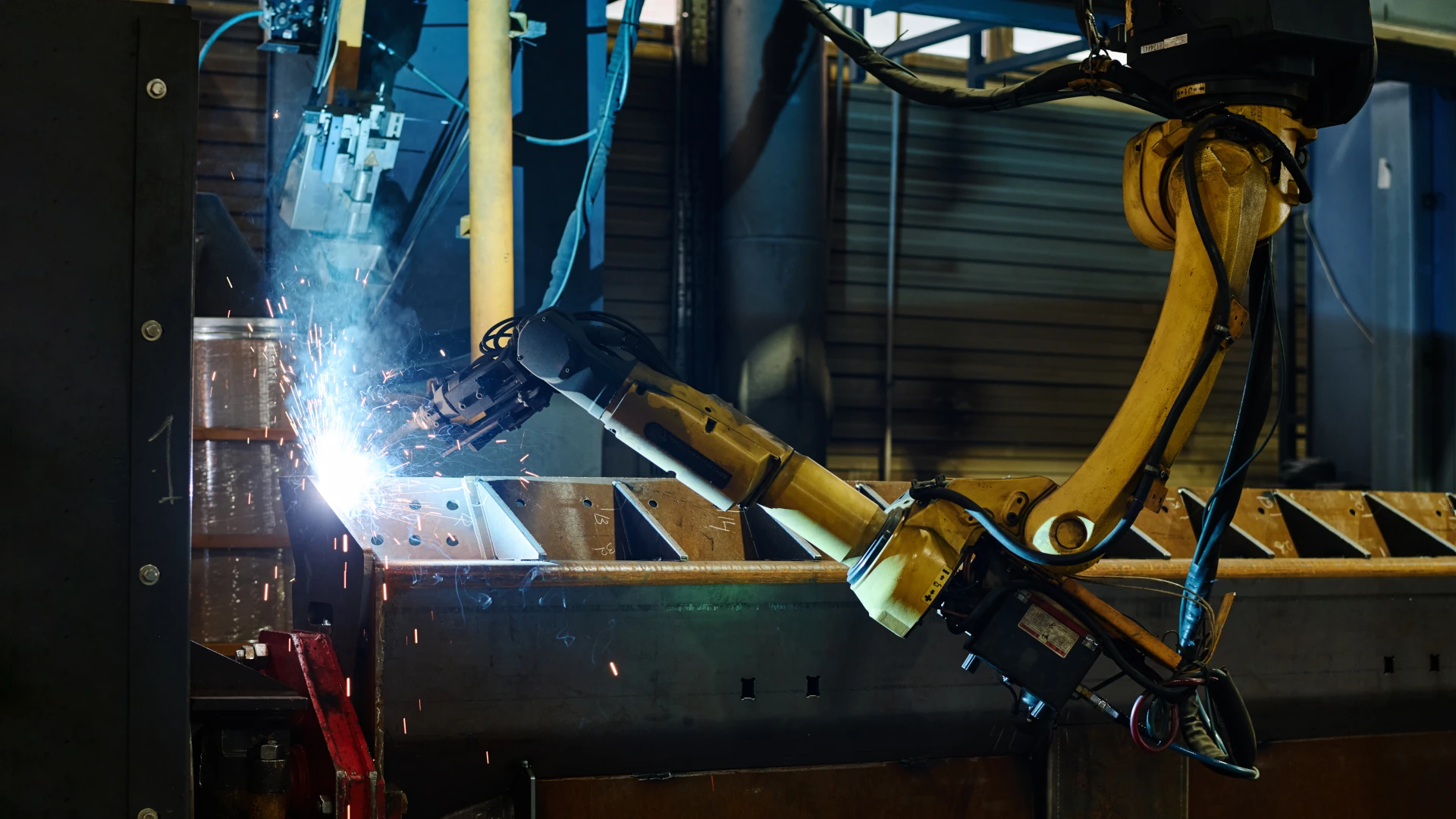
    • Automated machinery prefabricates building components in a factory setting, streamlining the construction process.

    Additionally, 3D printing enables the creation of structures with reduced waste and increased precision.

    AI Enhancements in Workflow Management

    Artificial intelligence is not just about physical robots; it is also enhancing workflow management. AI tools are used for scheduling, risk detection, and progress tracking through image recognition. Predictive planning helps contractors anticipate potential delays and allocate resources more effectively. This integration of artificial intelligence into daily operations is improving efficiency and reducing costly errors on construction sites.

    Implications for Builders, Plumbers, and Electricians

    Automation Potential in Key Trades

    The potential for automation varies across different trade jobs. Despite increasing automation, the need for on-site judgment and custom work remains high. Here’s a breakdown of automation potential in specific trades:

    TradeAutomation Potential
    Builders35-50% (bricklaying, basic carpentry)
    PlumbersAround 50% (robotic pipe cutting, threading, and welding)
    Electricians42% (wiring and system installation)

    New Roles and Opportunities in the Industry

    As automation increases, new roles are emerging within the construction industry. These include robotics technicians, AI coordinators, and specialists in system integration. Demand for skilled workers who can operate, maintain, and troubleshoot automated systems is growing. This shift requires tradespeople to upskill and acquire certifications in robot operation and AI tools, leading to potentially higher wages and career advancement opportunities for apprentice electricians. for plumbers and electricians. The AI boom will lead to more new electricians are essential to meet the growing demand for tradespeople. and electrical workers.

    Challenges Faced by Skilled Trades

    Despite the bright future promised by automation, several challenges hinder its widespread adoption. High costs, especially for small firms, can be a barrier. Interoperability issues between different systems and regulatory hurdles also slow down the integration of next generation technologies. AI tools. Furthermore, cultural resistance from workers who are accustomed to traditional methods can impede progress. Overcoming these challenges requires investment in training and clear communication about the benefits of automation. It also requires recognizing that, as Nvidia CEO Jensen Huang says, the future will rely on human tradespeople working alongside robotics.

    Labor Shortages and the Future of Work

    A row of robots and humans share tools at a job site table

    Understanding the Current Shortage of Workers

    The construction industry is grappling with a persistent labor shortage, impacting project timelines and costs. The high demand for skilled tradespeople, including builders, plumbers, and electricians, far outweighs the available workforce. This shortage is driven by various factors, including an aging workforce, a decline in vocational training, and a perception of the shortage of electricians. trade jobs as less desirable than other career paths. The need to address this shortage of electricians is becoming increasingly critical. for the construction industry.

    How AI Can Fill Labor Gaps

    Artificial intelligence offers a promising solution to alleviate labor shortages in the construction industry. AI tools can automate repetitive and physically demanding tasks, freeing up construction workers to focus on more complex and skilled work. Predictive planning, powered by artificial intelligence, can also optimize resource allocation and reduce inefficiencies, maximizing the productivity of the existing workforce. This strategic use of AI can effectively fill critical labor gaps in data center construction.

    Emerging Jobs in the AI-Driven Construction Sector

    The AI boom is not just about replacing construction workers; it’s also creating new job opportunities. Roles like robotics technicians, AI coordinators, and data analysts are becoming increasingly important. These positions require specialized skills in operating, maintaining, and optimizing AI tools and automated systems. As automation becomes more prevalent, the demand for skilled professionals in these emerging fields will continue to grow. This AI boom will lead to many jobs for electricians and also many jobs for plumbers.

    Challenges and Path Forward

    Barriers to Automation Adoption

    Despite the potential benefits, several barriers hinder the widespread adoption of automation in the construction industry. The initial investment in AI infrastructure and robotics can be significant, especially for small and medium-sized contractor companies. Interoperability issues between different systems and the need for standardized protocols also pose challenges. Overcoming these barriers requires collaboration between tech companies, construction firms, and regulatory bodies to create a supportive ecosystem for AI integration.

    The Importance of Reskilling and Upskilling

    To thrive in the construction industry, companies must adapt to the demands of tech giants. AI-driven construction landscape, construction workers must embrace reskilling and upskilling initiatives. Training programs focused on robot operation, maintenance, and programming are essential. Electricians, plumbers, and other tradespeople should also develop skills in data analysis and system integration. Investing in training and education will empower workers to adapt to the changing demands of the construction industry and seize new career opportunities.

    Collaboration Between Humans and Robots

    The future of construction lies in collaboration between humans and robotics, not complete replacement. Robots can handle physically demanding, repetitive, and dangerous tasks, while construction workers can focus on tasks requiring creativity, problem-solving, and critical thinking. By working together, humans and robots can enhance safety, improve efficiency, and deliver higher-quality results. This collaborative approach maximizes the strengths of both humans and machines, paving the way for a more productive and sustainable construction industry. Nvidia CEO Jensen Huang says that humans will always be necessary, and it paints a bright future.